
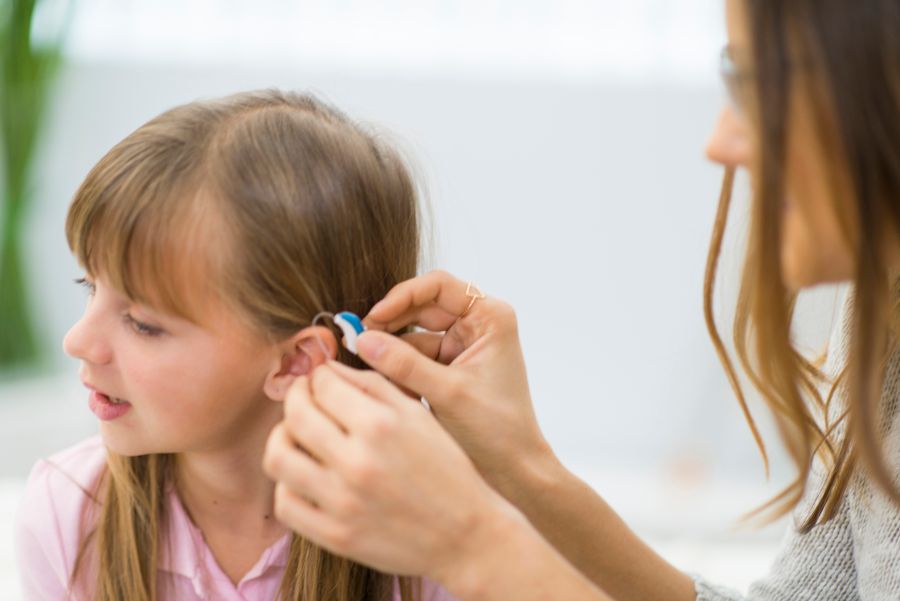
Ear infections are one of the most common childhood health concerns, and many parents find themselves wondering whether recurring infections require more than repeated courses of medication. If your child has frequent ear infections, persistent fluid buildup, or hearing difficulties, your pediatrician or ENT specialist may recommend ear tubes for kids. Understanding when ear tubes are truly necessary can help you make an informed decision about your child’s health and development.
At Austin Ear, Nose & Throat Clinic, families often seek answers about treatment options for chronic ear problems. While not every child with an ear infection needs surgery, ear tubes can provide significant relief for children experiencing ongoing middle ear issues.
What Are Ear Tubes and How Do They Work?
Ear tubes, also called tympanostomy tubes, are tiny cylinders placed through the eardrum during a brief surgical procedure. Their primary purpose is to allow air to enter the middle ear and help fluid drain properly. Normally, the Eustachian tubes connect the middle ear to the back of the throat and regulate pressure while allowing fluids to drain. When these tubes become blocked or don’t function properly, fluid can accumulate behind the eardrum. This creates an environment where bacteria or viruses can thrive, leading to recurring infections.
Ear tubes for kids work by:
- Ventilating the middle ear
- Reducing fluid buildup behind the eardrum
- Lowering the frequency of ear infections
- Improving hearing affected by persistent fluid
- Equalizing pressure in the ear
Why Are Children More Prone to Ear Infections?
Children experience ear infections more frequently than adults because of the way their ears develop. The Eustachian tubes in young children are shorter, narrower, and positioned more horizontally than those of adults. This anatomy makes it easier for fluid to become trapped in the middle ear and harder for it to drain effectively. Several factors contribute to a child’s increased risk of ear infections:
Developing Anatomy
Young children’s Eustachian tubes do not function as efficiently as adult tubes. As children grow, these structures lengthen and become more vertical, improving drainage and reducing infection risk.
Immature Immune Systems
Children are still developing immunity to common viruses and bacteria. As a result, they tend to experience more upper respiratory infections, which can trigger ear infections.
Exposure to Germs
Daycare centers, schools, and other group settings increase exposure to illnesses. Frequent colds and respiratory infections often lead to inflammation that impacts ear drainage.
Allergies and Congestion
Seasonal allergies and chronic nasal congestion can contribute to Eustachian tube dysfunction, resulting in fluid accumulation.
Environmental Factors
Exposure to secondhand smoke and poor air quality can irritate the respiratory system and increase susceptibility to middle-ear infections.
Because of these factors, many parents of children with recurring infections eventually ask whether tubes in the ears for kids may be a suitable solution.
When Are Ear Tubes Really Necessary?
Not every child who experiences an ear infection needs ear tubes. Most occasional infections resolve with conservative treatment and do not cause long-term issues. However, ear tubes may be recommended when a child experiences:
Frequent Ear Infections
Children who have multiple ear infections within a short period may benefit from ear tubes. Recurrent infections can disrupt daily life, increase antibiotic use, and cause ongoing discomfort.
Persistent Fluid Behind the Eardrum
Sometimes fluid remains trapped in the middle ear long after an infection has resolved. This condition, known as otitis media with effusion, can affect hearing and may persist for months.
Hearing Loss
Fluid buildup can create a temporary hearing impairment. For young children, even mild hearing loss can impact speech and language development.
Speech or Developmental Concerns
When hearing is affected for extended periods, some children may experience delays in speech, learning, or communication skills.
Chronic Ear Pressure or Discomfort
Children who continually struggle with pressure, fullness, or recurring ear pain may benefit from evaluation by a pediatric ENT specialist. A thorough evaluation can help determine whether the ear tubes that toddler patients need are appropriate based on the severity and duration of symptoms.
Benefits of Ear Tubes for Children
For children who meet the criteria, ear tubes can provide several important benefits. Some of the benefits include:
Reduced Ear Infection Frequency
Many children experience significantly fewer infections after tube placement. When infections do occur, they are often less severe and easier to treat.
Improved Hearing
One of the biggest advantages of ear tubes is restoring hearing that has been affected by fluid accumulation. Improved hearing can support both communication and learning.
Better Speech and Language Development
Clear hearing is crucial during early childhood. By improving sound transmission, ear tubes for kids may support age-appropriate speech and language development.
Less Reliance on Antibiotics
Repeated antibiotic treatments can be frustrating for both parents and children. Ear tubes may reduce the need for frequent medications and associated side effects.
Improved Quality of Life
Children who no longer experience recurring ear pain, disrupted sleep, or hearing issues often enjoy greater comfort and participation in daily activities.
Whether considering ear tubes for babies, toddlers, or older children, the benefits can be substantial when chronic middle ear problems are present.
What Happens After Ear Tube Placement?
Following surgery, most children recover quickly. Mild drainage may occur for a few days, but serious complications are uncommon. Over time, the tubes usually move out of the eardrum on their own as the ear heals. Most children do not require additional procedures, although some may need a second set of tubes if ear problems return. Regular follow-up visits with an ENT specialist help ensure the tubes are functioning properly and the ears remain healthy.
Schedule an Evaluation with a Pediatric ENT Specialist
If your child experiences recurring ear infections, persistent fluid buildup, hearing difficulties, or speech concerns, it may be time to consult a specialist. A comprehensive evaluation can determine whether ear tubes are necessary and identify the best treatment approach for your child’s unique needs.
At Austin Ear, Nose & Throat Clinic, our team works closely with families to diagnose and treat pediatric ear conditions. Early intervention can help protect hearing, improve comfort, and support healthy development.
Contact Our Team Today!
Ear infections are common during childhood, but ongoing infections and persistent fluid should not be ignored. While many children outgrow ear problems as they age, some benefit significantly from ear tube placement.
Understanding how ear tubes for kids work and recognizing the signs that intervention may be needed can help parents make confident decisions. If your child struggles with recurrent ear infections, hearing loss, or fluid that will not resolve, a pediatric ENT specialist can determine whether ear tubes are the right solution for long-term ear health. Contact us to schedule an appointment today!
Frequently Asked Questions
1. How Do I Know If My Child Needs Ear Tubes?
Your child may need ear tubes if they experience frequent ear infections, persistent fluid behind the eardrum, hearing difficulties, speech delays, or chronic ear discomfort. An ENT specialist can evaluate your child’s symptoms and recommend the most appropriate treatment.
2. How Long Do Ear Tubes Stay In?
Most ear tubes remain in place for approximately 6 to 18 months. In many cases, they fall out naturally as the eardrum heals. Your ENT specialist will monitor their progress during follow-up visits.
3. Do Ear Tubes Improve Hearing?
Yes. Ear tubes often improve hearing when fluid buildup behind the eardrum is causing hearing loss. By allowing proper ventilation and drainage, the tubes help restore normal sound transmission and support speech and language development.